
01Licensing, Accreditation, and Vetting
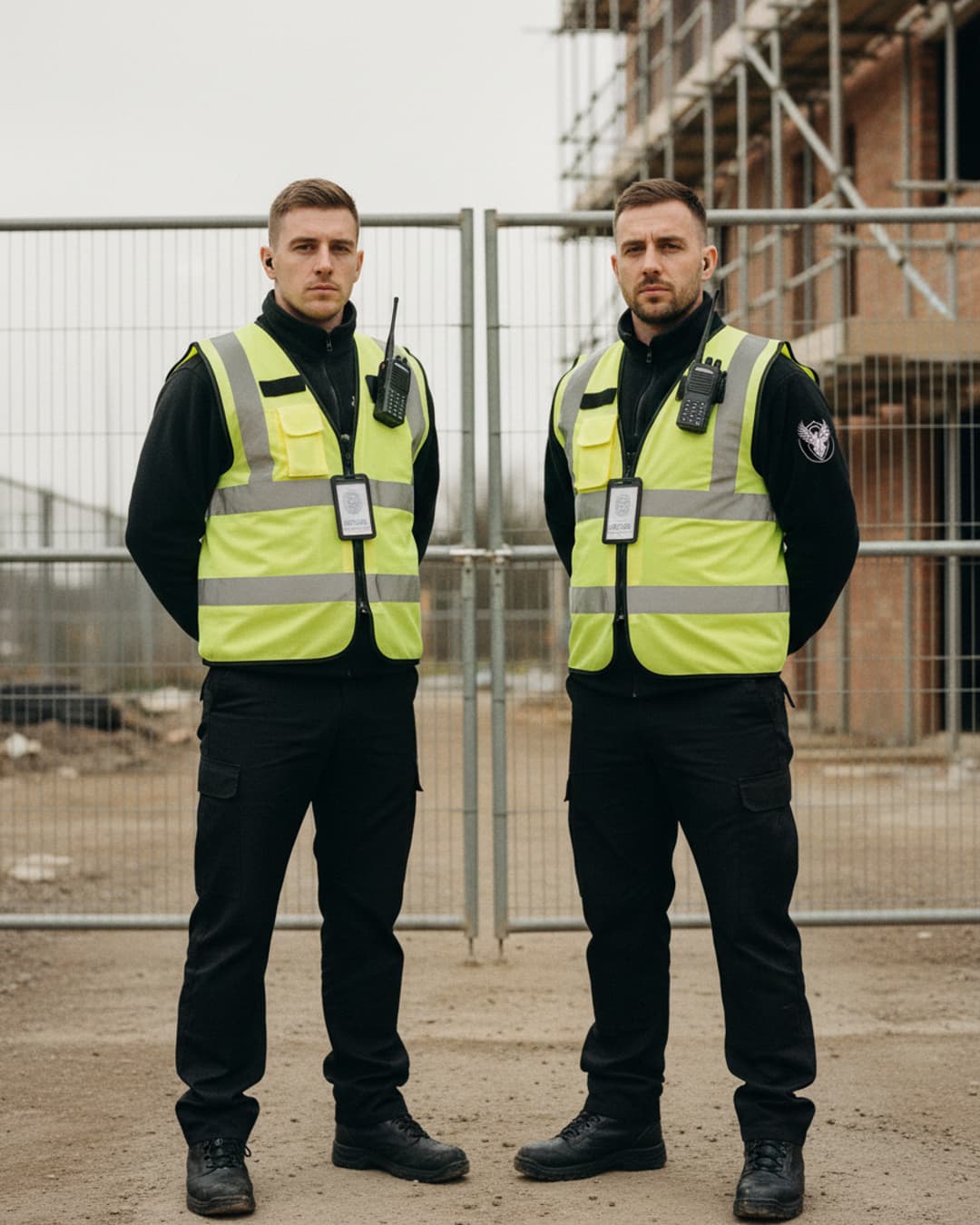
All individuals performing licensable private security activities in the UK must hold a valid Security Industry Authority (SIA) licence. Employing unlicensed guards is a criminal offence. The licence is individual to the operative and issued for three years.
The Approved Contractor Scheme (ACS) is a voluntary, company-level approval by the SIA. It demonstrates a commitment to quality and compliance, with approved companies undergoing regular audits. While voluntary, ACS approval is often required for public-sector and large-corporate procurement.
If your company is an SIA Approved Contractor, you may only subcontract to other approved contractors unless the SIA grants specific permission. This rule does not apply if a subcontractor solely supplies labour, as labour suppliers are not required to be ACS approved. However, you must still conduct sufficient due diligence to ensure standards are met throughout the supply chain.
British Standard 7858 defines best practice for security screening and vetting. This is the recognised standard for security personnel in the UK and a legal requirement for many roles. BS7858 screening includes identity checks, 5 or 10-year career history verification, Basic DBS checks, consumer information checks, global watchlist checks, and right to work checks.
The Baseline Personnel Security Standard (BPSS) is a UK government standard for pre-employment screening. It applies to individuals with access to government assets, including government contractors. BPSS verifies identity, employment history, nationality, immigration status, and unspent criminal records.
02Robust Contracts and Agreements
A legally binding contract is essential when engaging a security subcontractor. This document must clearly outline the terms of service, payment schedules, duration, and specific duties. It should also cover termination procedures and liability.
If you plan to use subcontractors, ensure their contracts mirror your own standards. Any use of subcontractors should be agreed upon with your customer before deployment. All subcontractors should also sign a confidentiality agreement to protect sensitive information.
- Parties involved and scope of work
- Payment terms and schedules
- Insurance responsibilities
- Compliance with SIA licensing standards
- Termination clauses
- Confidentiality and data protection requirements
03Essential Insurance and Health & Safety
Employer's Liability Insurance is a legal requirement for most UK businesses employing staff. This covers compensation claims for employee injuries or illnesses. The legal minimum cover is £5 million, though many security companies opt for higher limits. Public Liability Insurance protects against claims from the public for injury or property damage caused by business activities. Limits typically range from £1 million to £10 million.
Professional Indemnity Insurance is crucial for security consultants and trainers, covering claims for professional negligence. Commercial Vehicle Insurance is mandatory if the security company operates vehicles for client visits or mobile patrols. It is important to remember that an SIA licence and security insurance are separate requirements.
Under UK law, responsibility for safety cannot be outsourced. Duty holders remain accountable for controlling workplace risks even when work is contracted out. You must check the suitability of the contractor and any subcontractors in terms of Health & Safety standards. This includes verifying adequate training, a good safety record, and suitable vehicles.
Ensure subcontractor activities fit with the overall work scheme without increasing risks. Provide contractors with appropriate Health & Safety information about the workplace. This includes details on routes, equipment, specific hazards, and other people on site.
04Data Protection and Compliance
Security firms must comply with UK GDPR and the Data Protection Act 2018. This is especially true if they handle personal or sensitive information, use CCTV, or monitor access. Businesses outsourcing data processing tasks remain accountable for data processed on their behalf. The data controller must ensure their data processor (subcontractor) complies with GDPR.
Thorough contractual agreements are needed to ensure subcontractors comply with GDPR. These should include clear terms on data processing, security measures, and defined roles and responsibilities. Data Protection Impact Assessments (DPIAs) help identify and minimise data protection risks, particularly when outsourcing involves large-scale processing of sensitive data.
IR35 (Off-Payroll Working Rules) aims to prevent "disguised employment." Since April 2021, for medium or large businesses, the client is responsible for determining the IR35 status of limited company subcontractors. Clients must issue a Status Determination Statement (SDS) and demonstrate reasonable care.
Businesses should also conduct due diligence on subcontractors to ensure compliance with the Modern Slavery Act 2015. This Act prohibits slavery, servitude, forced labour, and human trafficking. Companies should have a zero-tolerance approach to modern slavery and expect the same from all suppliers and subcontractors. This includes requesting statements of compliance and conducting periodic audits.
Quick answers
What is an SIA licence and why is it important for subcontractors?
An SIA licence is mandatory for individuals performing licensable private security activities in the UK. It ensures operatives meet industry standards and legal requirements.
What is BS7858 vetting?
BS7858 is a British Standard for screening and vetting security personnel. It includes identity, career history, DBS checks, and right to work verification.
Who is responsible for Health & Safety when using a subcontractor?
Under UK law, the primary duty holder remains accountable for controlling workplace risks, even when work is contracted out.
Licensed, checked and visible: GPS clock-in, hourly check-ins and a live client portal.